


Public health surveillance ethics
Public health officials regularly collect and analyse data to map disease, spot patterns, identify causes and respond to outbreaks. But...
What is people-centred care?
Globally, 1 in 20 people still lacks access to essential health services that could be delivered at a primary care clinic instead of a...


#WithRefugees: WHO-trained Syrian health workers provide services in Turkey
“We and the Turkish doctors are working like brothers and sisters.” These are the words of Muhammed Attab, 1 of more than 3 million...


Abuse of older people on the rise – 1 in 6 affected
Around 1 in 6 older people experience some form of abuse, a figure higher than previously estimated and predicted to rise as populations...
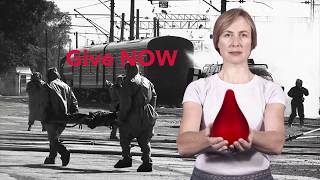
Giving blood in a time of crisis
In the days following Nepal’s devastating earthquake in 2015, hundreds of volunteers came forward to donate blood. But crucially, Nepal...


Bhutan, Maldives eliminate measles
Bhutan and Maldives have eliminated measles, a highly infectious disease that is a major childhood killer globally. The two countries...


Treating trauma and the wounds of war in Helmand
60-year-old Nazo stands at the bedside of his grandson Rahmatullah, 19, who was badly injured by a roadside bomb in Lashkar Gah, the...


WHO updates Essential Medicines List with new advice on use of antibiotics, and adds medicines for h
New advice on which antibiotics to use for common infections and which to preserve for the most serious circumstances is among the...


WHO responds to Ebola in Democratic Republic of the Congo
Multidisciplinary teams face numerous challenges as they respond to an outbreak of Ebola virus disease in the remote, forested regions of...


New vector control response a game-changer
The call came from the WHO Director-General in May 2016 for a renewed attack on the global spread of vector-borne diseases. "What we are...