


UN Environment and WHO agree to major collaboration on environmental health risks
UN Environment and WHO have agreed a new, wide-ranging collaboration to accelerate action to curb environmental health risks that cause...


WHO Director-General: invest in health to end plague in Madagascar
The Director-General of WHO has outlined his vision for a Madagascar free of plague epidemics during a three-day visit to the island...


Malaria cases on the decline
The state wants to eliminate malaria by 2025. KT/Sonny Krishnan Officials from the Ministry of Health said the numbers of malaria cases...


Nigeria: 2017 - Sad Year in Nigeria's Health Sector - Over 1,000 Die From Preventable Diseases
Nigeria started 2017 with the news of outbreak of Meningitis which lasted for months and was followed by other rare and uncommon...


Addressing inequalities on the road to ‘health for all’ in Indonesia
Ms Widyaningsih (Wida), Midwife and Field coordinator for Hibiscus. Puskesmas Senen Almost every day a white van painted with...


World Bank and WHO: Half the world lacks access to essential health services, 100 million still push
At least half of the world’s population cannot obtain essential health services, according to a new report from the World Bank and WHO....


Up to 650 000 people die of respiratory diseases linked to seasonal flu each year
Up to 650 000 deaths annually are associated with respiratory diseases from seasonal influenza, according to new estimates by the United...
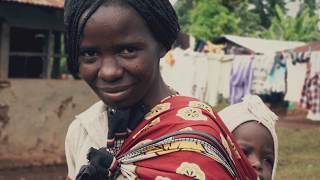
Half the world lacks access to essential health services
At least half of the world’s population cannot obtain essential health services, according to a new report from the World Bank and WHO....


Uganda ends Marburg virus disease outbreak
Uganda has successfully controlled an outbreak of Marburg virus disease and prevented its spread only weeks after it was first detected,...


Improving the lives of people with disability – the role of data
Gloria Cerón knows disability is an important issue all over the world, particularly in her own country of Chile. But through a...